The Method
Find out more about our recovery ethos and values...
Simple Principles for Lasting Change
For nearly twenty years, these principles have helped people overcome addiction, rebuild their lives and create lasting change.
But they are not only about addiction. They apply to anyone facing change, whether that is a relationship ending, a difficult decision, a personal struggle or the challenge of becoming a better version of yourself.
The Method is about making better choices, living with honesty and integrity, taking responsibility for ourselves and continuing to grow throughout our lives.
These principles are not just ideas to understand. They are principles to practise.
They are simple, but they are not always easy.
Real change rarely is.
'The Method' is a time-served set of principles that underpins everything we do.
It brings together the key ideas that we believe create lasting change, providing a practical framework that anyone can apply to build a better life.
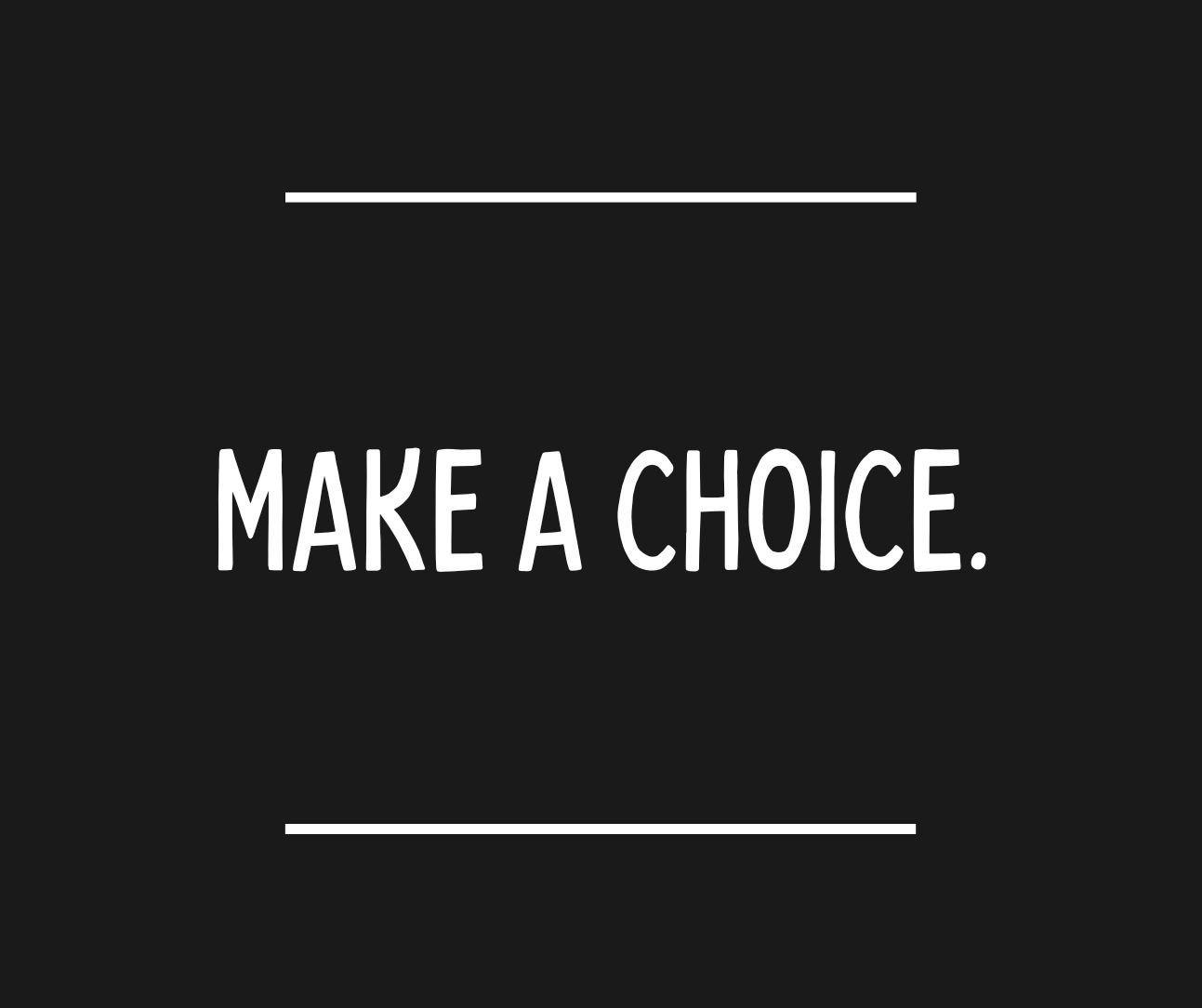
Most people want the benefits of change without the cost of change.
We want to run with the hare and the hounds, keeping one foot in the old life while hoping for a new one.
It might be an addiction we know is destroying us, a relationship we know is unhealthy, a habit that is holding us back, or a way of living that no longer serves us. We often know what needs to change, but we struggle with what we have to give up in order to change.
Real growth requires sacrifice.
Every choice means saying no to something. To become healthier, we may have to give up comfort. To find freedom, we may have to let go of things that keep us trapped. To build a better future, we sometimes have to leave parts of our past behind.
The difficult truth is that you cannot keep everything and still move forward. You cannot hold onto the things that are hurting you while expecting them to stop hurting you.
Making a choice does not mean knowing exactly what comes next. It means accepting that something has to change, having the courage to make that change, and deciding that where you are going matters more than where you have been.
Change begins when the desire for a better life becomes stronger than the fear of letting go.
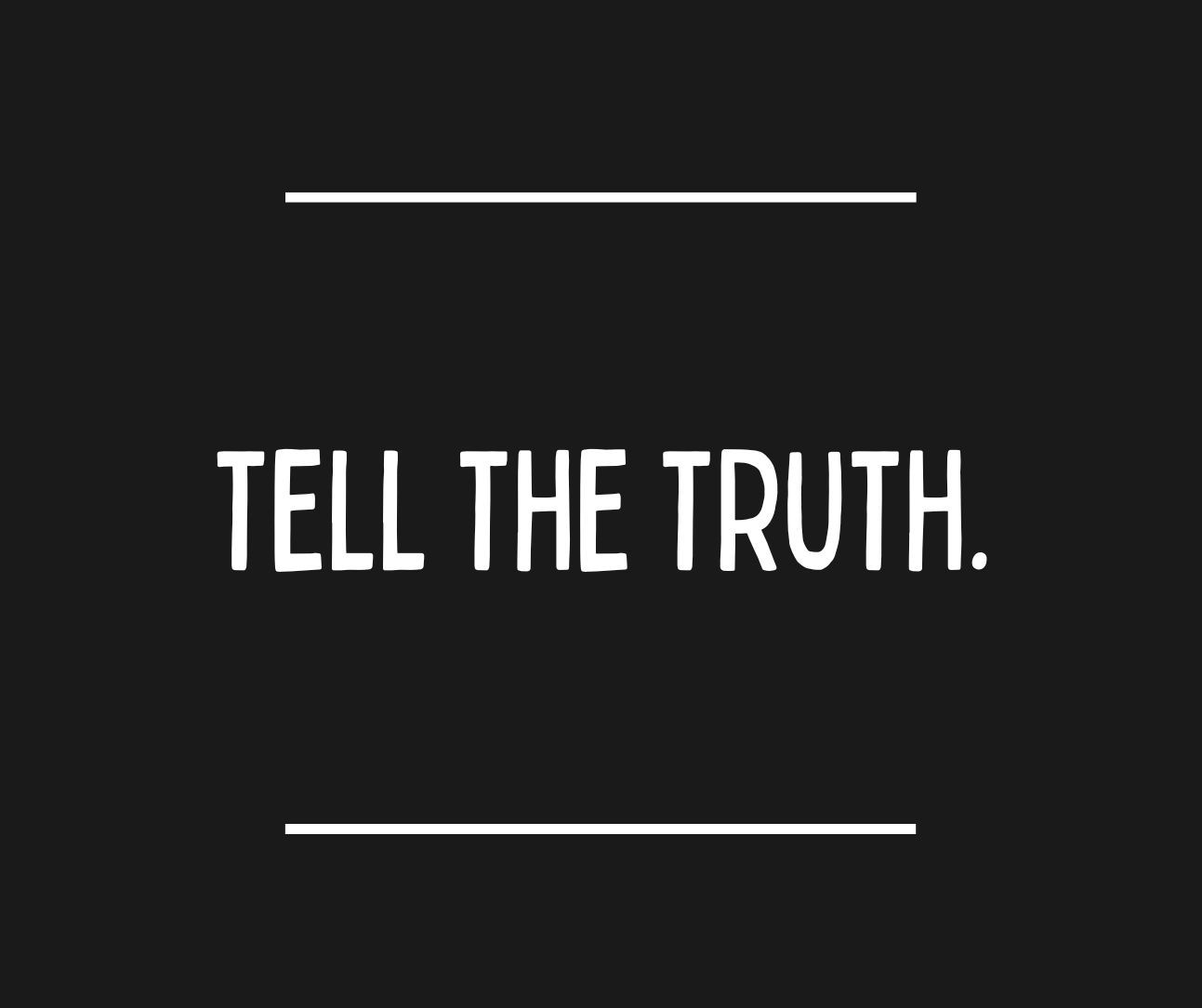
Living honestly is one of the most freeing things a person can do.
Lies are exhausting. They need protecting, remembering and building upon until you find yourself living behind different masks for different people. Before long, you can lose sight of who you really are.
Telling the truth begins with yourself. It means admitting when something isn't working, owning your mistakes and refusing to hide behind excuses. It doesn't mean saying everything that comes into your head or sharing every detail of your life. It means living in a way that doesn't require a mask.
When you live truthfully, you no longer have to remember what you told one person or worry about being found out. You become the same person wherever you are and whoever you are with.
There is enormous freedom in that.
The truth is not always comfortable, but it is always simpler than maintaining a lie. Lasting change begins when we stop pretending and start dealing with life as it really is.
Comparison is a game nobody wins.
There will always be someone with more money, more success, more confidence or fewer problems. There will also be people who have less than you. Neither comparison changes your life.
The danger is that you stop looking at your own progress and start measuring yourself against someone else's journey.
Your life is not a competition with other people. The only person you need to become better than is the person you were yesterday.
Keep your eyes on your own path and allow others to walk theirs.
Resentment is almost always about people. Someone has hurt us, disappointed us, embarrassed us or made us feel less than we are.
Deep down, resentment often comes from a desire to even the scales. We want things to be made right. We want the other person to understand the damage they caused.
But resentment keeps us connected to the very thing that hurt us.
It can also be a form of judgement.
We look at another person's actions and decide who they are, while often forgetting that we too have made mistakes, hurt people or behaved in ways we are not proud of. If we hope to be understood for our own shortcomings, we have to be willing to understand the shortcomings of others.
That does not mean accepting bad behaviour, forgetting what happened or allowing people to continue hurting us. Forgiveness is not weakness. It is not saying that what happened was okay. Sometimes forgiveness means creating distance, setting boundaries and protecting yourself.
People can also be unwell, damaged or lost. Understanding that does not excuse their actions, but it can help us stop carrying the burden of hatred.
The only way to truly free yourself from resentment is through forgiveness. Not for their benefit, but for yours.
Forgiveness allows you to put down a weight you were never meant to carry, while still remembering the lessons that experience taught you.
The people around you influence you more than you realise.
There is a saying that you become the average of the five people you spend the most time with. Whether that is exactly true or not, the principle behind it is undeniable: the people closest to us shape the way we think, the choices we make and the life we create.
Influence does not always happen in obvious ways. It happens slowly and quietly. The attitudes, behaviours and beliefs of the people around us begin to feel normal.
Spend enough time around people who gossip, lie, blame others or refuse to take responsibility, and those things can start to become acceptable. Spend time around people who are honest, positive, accountable and committed to growth, and those qualities begin to influence you too.
Sometimes the people around us genuinely care about us, but they can still hold us back. They may only see who we have been, not who we are trying to become. They may give advice based on their own fears, experiences or limitations rather than what is best for us.
When we are changing, we need people around us who are willing to tell us the truth. Not just people who tell us what we want to hear, but people who care enough to challenge us, support us and help us see things clearly.
The right people don't always make us comfortable, but they help us grow.
Choosing your company is not about judging others or believing you are better than anyone else. It is about understanding that your environment matters.
If you want to change your life, you have to pay attention to the people and influences you allow into it.
The people you walk alongside will either help you become the person you want to be or keep you attached to the person you are trying to leave behind.
Too many people live their lives trying to satisfy people whose opinions add little value.
We worry about being judged, looking foolish or disappointing people who don't truly understand our journey.
The reality is that most people are far more focused on their own lives than they are on yours.
The people who genuinely care about you want to see you grow, even if that growth is difficult for them to understand.
Some people will only be comfortable with the version of you they have always known. When you change, it can challenge their view of you and sometimes even their view of themselves.
Don't let fear of other people's opinions stop you from becoming who you are meant to be.
The people who matter will not need you to stay the same. They will want you to become better.
When life becomes difficult, it is tempting to believe the answer is somewhere else.
A new town. A different job. Another relationship. A fresh start.
Sometimes those changes are necessary, but they are not a cure.
A geographical solution rarely fixes an emotional problem.
You can live in paradise and still be unhappy, or find peace in the most unlikely places. If your thinking, your habits and your attitudes stay the same, they will travel with you wherever you go.
Running away can feel like progress, but sometimes it is simply avoidance.
We can spend our lives changing our surroundings while avoiding the one thing that needs to change most: ourselves.
Lasting change comes from within. It comes from facing what is in front of us, dealing with what is inside us and learning how to live wherever we stand.
Not everything is about you.
People are often dealing with battles you know nothing about, and their words, moods and actions usually say more about them than they do about you.
Learning not to personalise everything gives you freedom. It allows you to pause, think and respond rather than simply react.
But don't mistake truth for a personal attack.
Sometimes the people who care about you most will tell you the things you least want to hear. A good friend, a mentor, a family member or someone who has walked a similar path may hold up a mirror when everyone else is looking away.
That can be uncomfortable, but discomfort is often where growth begins.
Many people change because someone was willing to tell them the truth. Not because they were judged, but because someone cared enough not to lie to them.
The truth is not an attack on who you are. It is an opportunity to become who you can be.
We live in a world where disagreement can feel like disrespect and honesty can feel like criticism. But if we take every difficult conversation personally, we close ourselves off to learning.
Listen to what is being said before deciding how it was meant.
If it is true, use it. If it isn't, let it go.
You don't become stronger by avoiding uncomfortable truths. You become stronger by facing them, learning from them and carrying on.
One of the biggest barriers to change is believing that we already know everything we need to know.
Growth requires humility. It requires us to remain teachable and accept that there is always something more to learn.
No one has all the answers, and the moment we believe we have nothing left to learn is often the moment we stop growing.
Use every means at your disposal.
Read. Listen. Ask questions. Learn from other people's experiences. Take advice. Try new things. Challenge your own thinking. Seek support. Use every healthy opportunity available to build a better life.
Don't reject something simply because it does not come in the package you expected. Sometimes the answer is found in places we never thought to look.
Change requires effort. It means being willing to try everything we can, keeping an open mind and being honest about what works and what does not.
What helps one person may not help another. There is no single path that works for everyone.
The goal is not to defend one particular method or prove you already know everything.
The goal is to keep growing.
Stay curious. Stay open. Stay teachable.
The word sobriety is often associated only with stopping alcohol or drugs, but its meaning goes much deeper than that.
To live soberly is to live with clarity, balance and purpose.
You can find people who do not drink but live chaotic, dishonest and destructive lives. You can also find people who drink but show kindness, responsibility and integrity in the way they live.
Sobriety is not only about what you put into your body. It is about how you carry yourself through life.
Living soberly means learning to respond rather than react. It means being honest when nobody is watching, keeping your word, taking responsibility for your actions and treating people with respect.
It is about having the discipline to do what is right, even when doing what is easy would be more comfortable.
True sobriety does not happen overnight. It is a lifelong journey of becoming. It is built through the small choices we make every day, the habits we develop, the values we protect and the person we choose to become.
It is not about appearing to be a good person. It is about becoming one.
A sober life is not a perfect life. It is a life lived with awareness, humility, integrity and purpose.
Sobriety is not about denying yourself life. It is about becoming capable of fully living it.
No two people arrive at the same place in the same way, so no two journeys will be identical.
What worked for one person may not work for another. Someone else's experience can guide you, but it cannot replace your own.
Stay open-minded. Stay humble. Keep learning.
Your experience matters, but it is only one piece of a much bigger picture.
Respect your own journey and respect the journeys of others.
There is more than one way to find your way forward.
Find out more...
Come and experience 'The Method' in action at one of our regular recovery meetings...